Magnetic Flux Lines
Representing the direction, shape, and strength of magnetic fields
|
Coupled Magnetic PendulumSBU.mp4 Show Me
The
Physics
Flux Lines 4 minutes
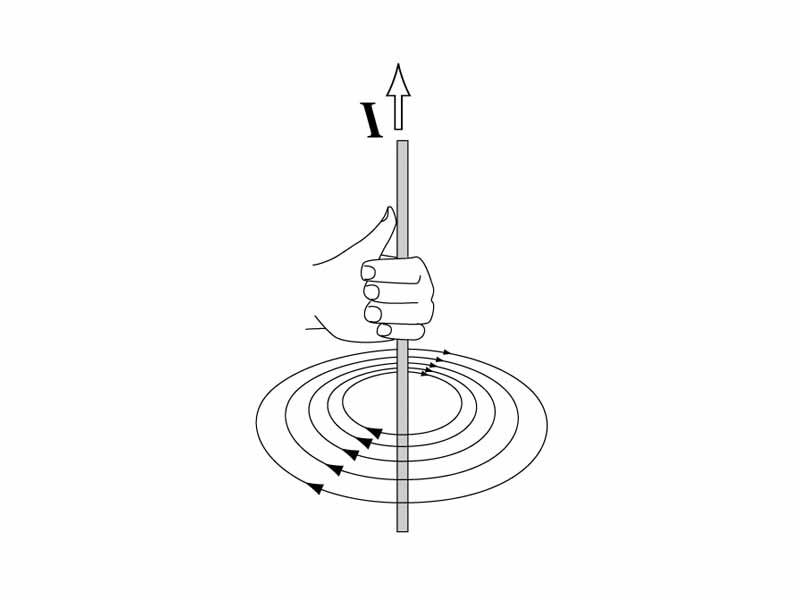
Ex 2) Magnetic field around Straight Conductor (A Wire) with current
Image created by John Wetzel, founding author of
WikiPremed.
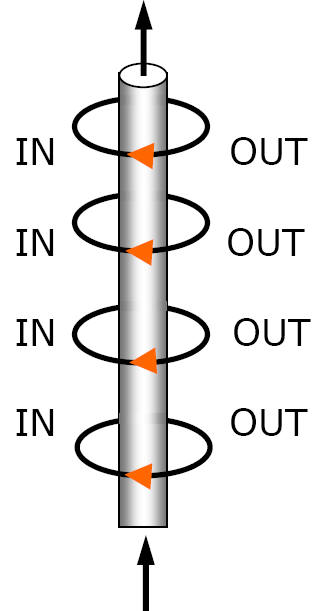
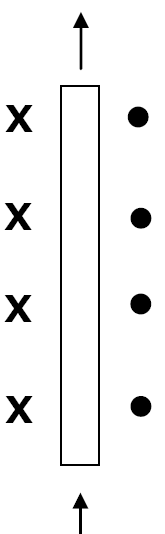
Magnetic field flux lines around the conductor w/ current are circular.
To find the direction of the flux lines:
a) Use north pole of a compass
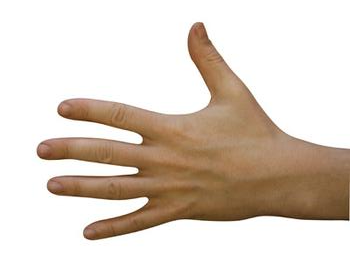
b) "First Left Hand Rule"
Why Left
and not right??
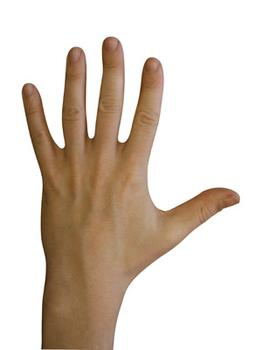
1) Palms away, left hand thumb direction of electron flow (current) 2) fingers curl in direction of magnetic field
Do the magnetic lines of flux go
Compasses around a wire: top view and side view
Visualizing Magnetic Fields at Home
A bar magnet is moving beneath the paper
|
|||||||||||







Check Your Understanding
5 quick questions — pick an answer to see if you’re right.
1. What is the shape of the magnetic flux lines around a straight wire carrying current?
2. In the 1st left-hand rule for a straight wire, what does the left thumb point along?
3. Electron current flows straight up a vertical wire. Viewed from above, which way does the magnetic field circle?
4. What can you place near a current-carrying wire to find the direction of its magnetic field?
5. The direction of the current in a straight wire is reversed. What happens to its magnetic field?
Measuring a Magnetic Field
A sensor measures that 3.0 × 10⁻⁴ Wb of magnetic flux passes perpendicularly through a square area of 2.0 × 10⁻³ m² near the pole of a magnet.
What is the magnetic flux density in this region?
▶ Want a challenge? Open 6 more Regents-style questions (harder · mixed formats)
Challenge score: 0 / 6
C1. The sensor is moved farther from the magnet, where fewer flux lines pass through the same area. What happens to B?
C2. A smaller sensor with an area of 5.0 × 10⁻⁴ m² is placed in the same region, perpendicular to the field. Substitute numerical values into a mathematical representation that can be used to determine the magnetic flux through the smaller sensor. Then calculate the flux.
C3. A student makes the following claim.
Place a check mark in either the Support or Refute box. Justify your response using a mathematical relationship.
C4. The original sensor (area 2.0 × 10⁻³ m²) is moved farther from the magnet, where only 1.2 × 10⁻⁴ Wb passes perpendicularly through it. Determine the magnetic flux density at the new location.
C5. A hospital MRI produces 1.5 T. Earth’s field is about 5 × 10⁻⁵ T. About how many times stronger is the MRI?
C6. A student tilts the sensor so that the field lines no longer pass through it perpendicularly. Describe how the measured flux changes, and explain why, using the idea of field lines.