Reflection
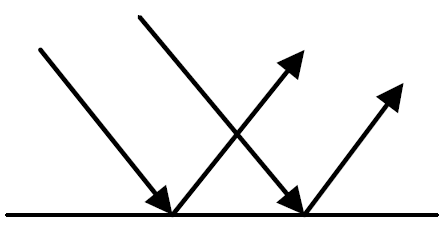
The law of reflection, ray diagrams, and images formed by plane mirrors
|
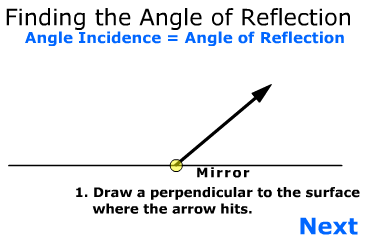

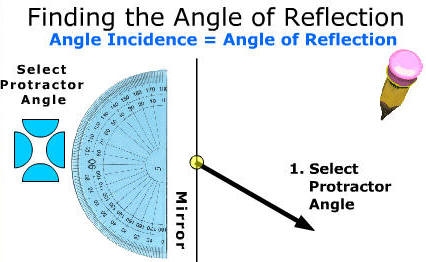
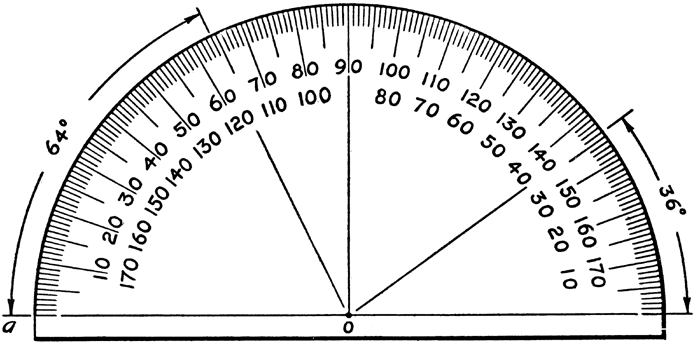

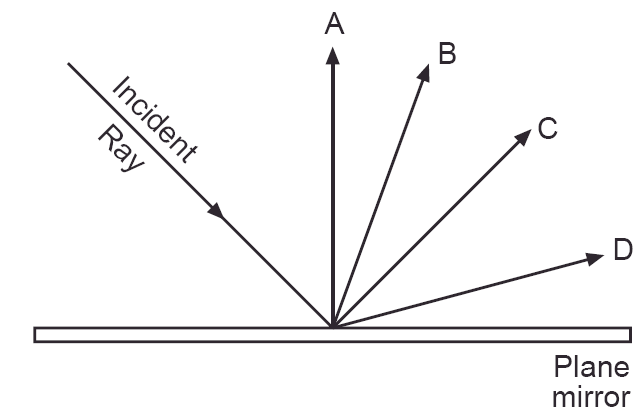
Explore: Beyond Flat Mirrors
The law of reflection also works on curved mirrors — it just makes some interesting images.
Drag the orange object. Switch between concave and convex mirrors.
Check Your Understanding
5 quick questions — pick an answer to see if you’re right.
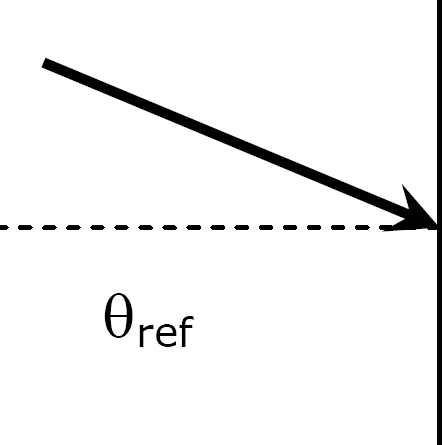
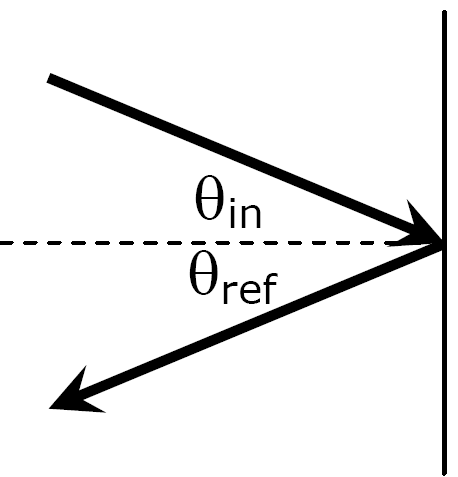
1. When using the law of reflection, the angles of incidence and reflection are measured from which line?
2. A light ray strikes a plane mirror making a 20° angle with the mirror's surface. What is the angle of reflection?
3. Which best describes the image formed by a plane mirror?
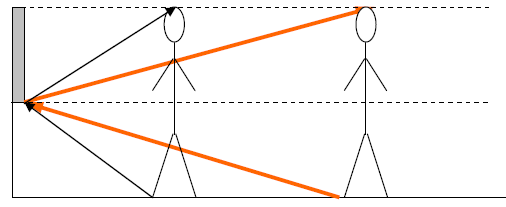
4. A student is 1.6 m tall. What is the shortest plane mirror she needs to see her whole body?
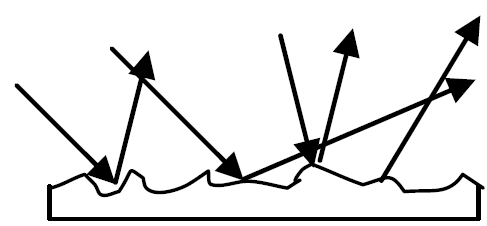
5. Why can't you see your reflection in a sheet of paper, even though it reflects light?
Designing a Periscope
A periscope uses two flat mirrors, each tilted at 45°, to let a viewer see over a wall. Light from an object strikes the top mirror and reflects down to the bottom mirror, which reflects it into the viewer’s eye.
Light strikes the top mirror at an angle of incidence of 45° (measured from the normal). What is the angle of reflection?
▶ Want a challenge? Open 6 more Regents-style questions (harder · mixed formats)
Challenge score: 0 / 6
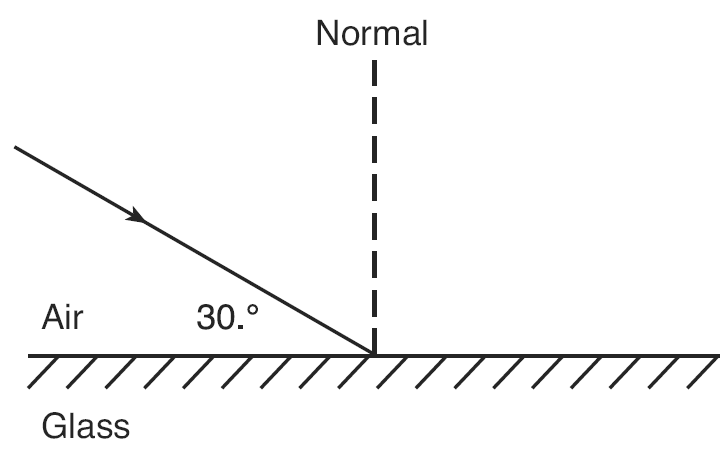
C1. A ray strikes a plane mirror making an angle of 30.° with the surface of the mirror. Determine the angle of reflection, measured as it should be.
C2. A person stands 2.0 m in front of a plane mirror. Where does her image appear?
C3. A student makes the following claim.
Place a check mark in either the Support or Refute box. Justify your response using a mathematical relationship.
C4. In the periscope, light from the object travels horizontally to the right and strikes the top mirror. Choose the direction of the velocity of the light after it reflects from the top mirror, and determine its speed (in air, about the same as in a vacuum).
●
C5. Why can you see your reflection in a mirror but not in a sheet of white paper, even though both reflect light?
C6. A student builds a periscope but tilts the top mirror at 30.° to the horizontal instead of 45°. Using the law of reflection, explain why light traveling horizontally into the periscope would no longer travel straight down the tube.