Doppler Effect for Light
Redshift, blueshift, and what changing wavelength tells us about motion
|
Doppler Effect
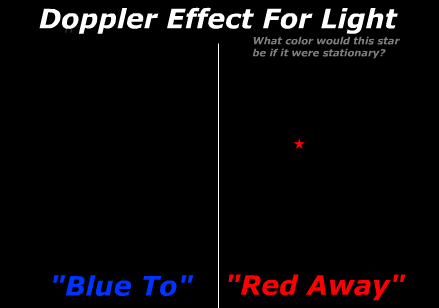
B Doppler Effect for Light
Doppler Effect
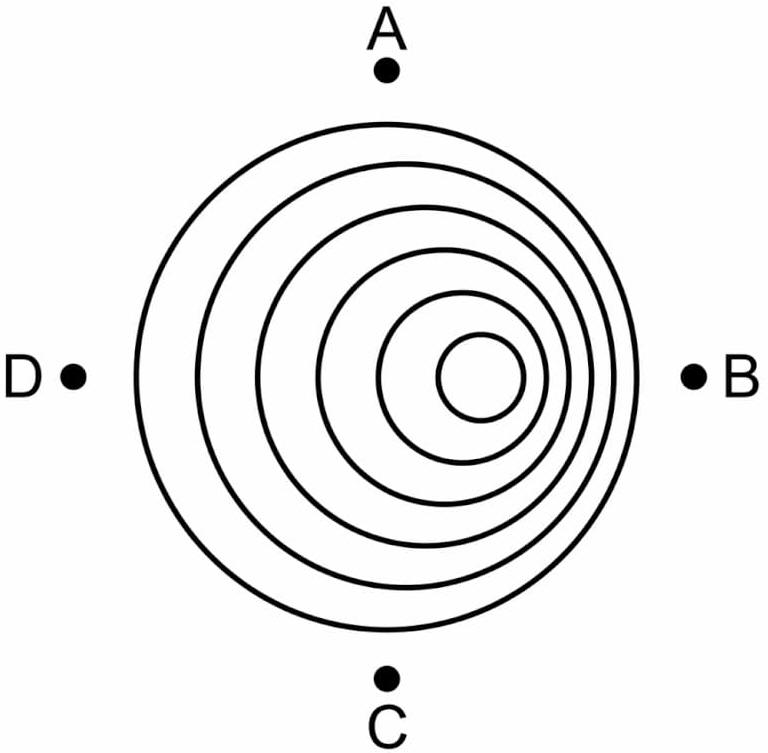
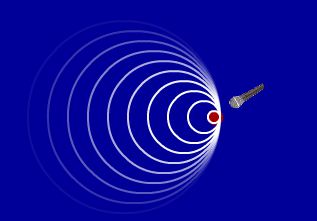
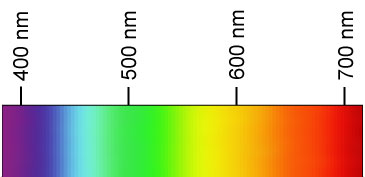
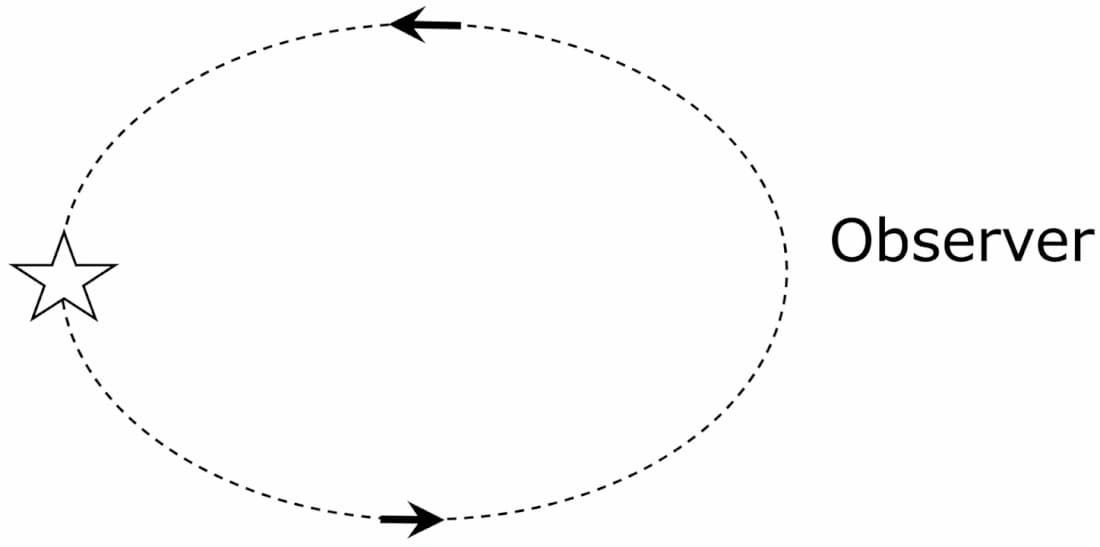
There is a change in the observed frequency (color) of light as a very fast source of light moves toward or away from an observer
Doppler Shift. Red and blue shifts.Light from moving objects will appear to have different ... Ned Wright's home page. © 1996-2002 Edward L. Wright Doppler ShiftObserved in
[ HTML5 ]
Enrichment
Rainbows in a Soap Bubble
by SoapbubbleDK School Blocks YouTube? Download file below.
The interference between the light waves that reflect off Read more here:
Review A crystal with Double Vision
Double refraction in calcite
|
||||||
.jpg)

Explore: Redshift and the Expanding Universe
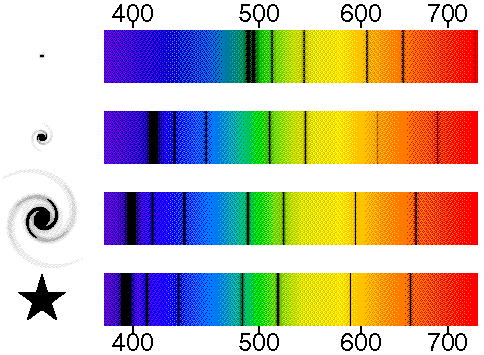
Distant galaxies are redshifted — and the farther they are, the bigger the shift.
Press Expand. Click a galaxy to see its hydrogen lines shift toward red.
Click a nearby galaxy, then a far one. Which has the bigger redshift? What does that tell you?
The far galaxy has the bigger redshift, so it is moving away faster. Farther galaxies move away faster — the universe is expanding.
Check Your Understanding
5 quick questions — pick an answer to see if you’re right.
1. The Doppler effect for light is a change in the observed
2. A distant star is moving rapidly away from Earth. How does its light appear?
3. Light from a galaxy moving toward Earth is observed to have
4. The spectral lines of an element from a star are shifted to longer wavelengths than in a lab. What does this tell us?
5. Why don't the headlights of an approaching car look bluer?